
Your Dream Wedding Starts Here
Wedding planning demands correct coordination, creative direction, and well-structured execution. At Urban Glow Luxury Event Planners, our resources within Professional Event Management—The Complete Guide help readers understand how successful weddings are organised in India. From budgeting and venue selection to supplier management and wedding-day coordination, we break down each stage with clear, practical guidance that’s easy to follow.
What Services Are Included in Wedding Planning?
Budget planning and detailed expense overview.
Venue exploration and final selection support.
Theme and styling development.
Vendor identification and coordination.
Guest list organisation and invitation handling.
Wedding day scheduling and smooth execution.
Post-wedding follow-up checklist.
a) Traditional Weddings
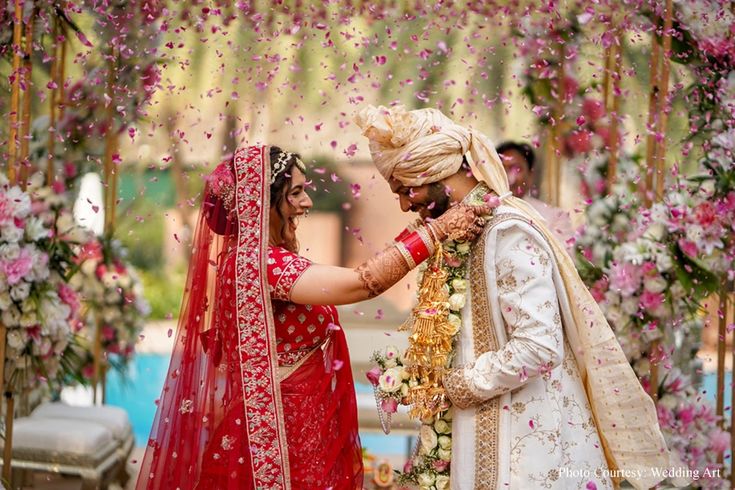
Key Steps for Planning a Traditional Wedding:
Confirm the wedding date and major rituals early.
Establish a practical and realistic budget.
Select a venue suited to guest count and ceremonies.
Create a clear ceremony timeline (haldi, mehendi, wedding, etc.).
Secure reliable vendors ahead of time (catering, decoration, photography).
Organize guest list, invitations, and hotel arrangements.
Arrange cultural decoration reflecting traditional themes.
Allow buffer time between different ceremonies.
We ensure risk management plans are in place.
Review the complete checklist before the wedding day.
b) Destination Wedding
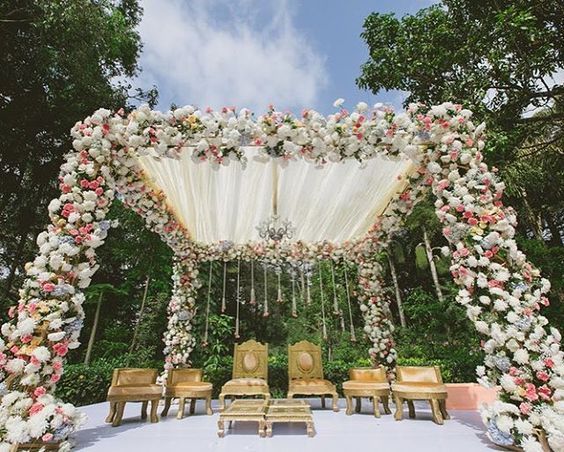
Key Planning Considerations:
Select a destination that offers convenient travel options for guests.
Finalize the wedding date after reviewing the local climate and seasonal conditions.
Establish a well-defined budget that includes travel and accommodation costs.
Reserve the venue and guest rooms well in advance to prevent last-minute challenges.
Provide guests with complete travel information and a detailed plan ahead of time.
Engage dependable local suppliers who are experienced with the destination.
Allow buffer time for travel delays and event setup.
Organize essential guest hospitality and welcome arrangements.
Prepare a weather backup plan for outdoor ceremonies.
Review the final checklist at least one week before the celebration.
c) Reception & Engagement Planning

Reception & Engagement Planning:
Finalize engagement and reception dates early.
Set a clear budget for venue, decoration, and catering.
Choose a venue based on guest capacity and location convenience.
Plan a simple event timeline (ring ceremony, welcome, dinner, etc.).
Select elegant decoration and stage setup.
Book photographer and videographer in advance.
Prepare guest list and send invitations on time.
Arrange music or light entertainment for guest engagement.
Confirm catering menu and service flow.
d) Theme Based Event

Key planning points:
Clearly outline the event theme and overall concept.
Establish a practical budget aligned with the theme requirements.
Choose a venue that complements the selected theme.
Plan coordination of décor, lighting, and color schemes.
Hire suppliers experienced in theme-based events.
Create invitations that match the event concept.
Decide on a dress code (if needed) and notify guests in advance.
Arrange theme-focused entertainment or activities.
Allow buffer time for décor installation and testing.
Review the complete theme checklist before the event day.
Frequently Asked Questions
Q1. What is the first step in wedding planning?
A) Begin by finalizing the wedding date, estimating your overall budget, and preparing an approximate guest list. This sets a strong base for the rest of the planning process.
Q2. How early should wedding planning start in India?
A) It is recommended to start planning about 6–12 months ahead. This timeline allows you to secure preferred venues, reliable suppliers, and competitive pricing.
Q3. How can I prepare a wedding budget?
A) Identify the major cost areas such as venue, catering, décor, photography, and guest accommodation. Distribute your budget according to priorities and keep a contingency amount for unexpected expenses.
Q4. What are the key phases of professional wedding planning?
A) The main phases typically include requirement assessment, budgeting, venue selection, supplier booking, timeline creation, and wedding-day management. Together, these steps form the foundation of professional event management.
Q5. How do we select the right wedding venue?
A) Choose a venue based on guest capacity, ease of location access, parking availability, and suitable ceremony space. For outdoor functions, always confirm a reliable weather backup option.
Q6. When should wedding vendors be booked?
A) Essential suppliers such as the venue, caterer, and photographer should ideally be confirmed 6–8 months in advance, particularly during India’s busy wedding seasons.