
Strategic Corporate Event Management
Strategic corporate event planning is centered on aligning each event component with defined business objectives. Within Professional Event Management—The Complete Guide, a well-organized corporate event strengthens brand visibility, boosts audience engagement, and improves overall execution efficiency. Effective planning supports seamless coordination, disciplined budgeting, and a polished experience for participants in the Indian business landscape.
a) Product Launch Events

Product Launch Event—Key Planning Considerations:
Establish clear product launch objectives and identify the target audience.
Finalize the launch date based on optimal market timing.
Select a venue that enhances brand presence and supports media coverage.
Design a structured event agenda featuring a strong product reveal moment.
Develop impactful brand visuals, stage design, and presentation setup.
Arrange audio-visual systems, lighting, and live demonstration needs.
Invite media representatives, influencers, and key stakeholders well in advance.
Ensure efficient registration and smooth guest movement.
Prepare backup solutions for technical or scheduling challenges.
Review the complete checklist prior to launch day.
b) Corporate Meetings
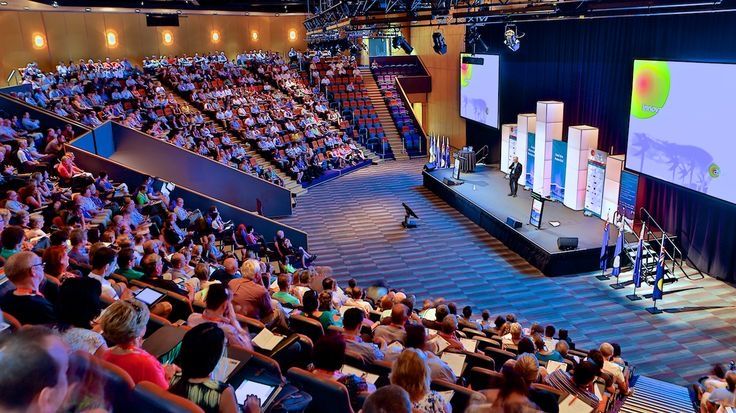
Corporate Meeting—Key Planning:
Clearly define the meeting objective and desired outcomes.
Finalize the date, time, and format (in-person or virtual).
Select a quiet venue with suitable seating and audio-visual support.
Prepare a structured agenda and circulate it in advance.
Confirm the participant list and send invitations on time.
Arrange presentation equipment, stable internet, and technical assistance.
Provide light refreshments for in-person meetings, if required.
Begin and conclude the meeting as per the scheduled time.
Document important decisions and assigned action items.
Share the meeting minutes with attendees after the session.
c) Conferences & Seminars
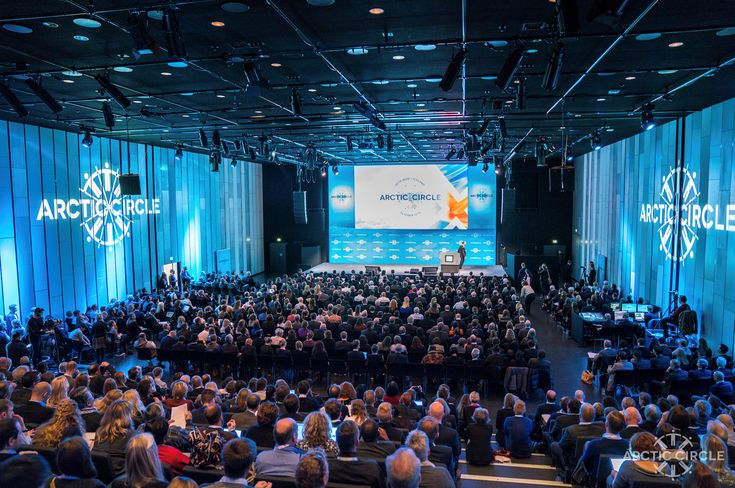
Conference & Seminar—Key Planning Considerations:
Establish clear objectives and identify the target audience.
Finalize the event date and appropriate duration.
Select a venue with comfortable seating and reliable audio-visual facilities.
Develop a well-structured agenda and session flow.
Confirm speakers and provide guidelines well in advance.
Set up an efficient registration and attendee management system.
Arrange sound systems, projectors, display screens, and stable internet.
Prepare directional signage, branding elements, and presentation materials.
Allow buffer time between sessions for smooth transitions.
Keep backup arrangements ready for potential technical issues.
Gather participant feedback after the event.
Review the complete checklist before the event day.
Frequently Asked Questions
Q1. What is a corporate event?
A) A corporate event is a business-oriented gathering—such as a conference, meeting, product launch, seminar, or award function—organized to support specific organizational objectives.
Q2. What is the first step in corporate event planning?
A) The process begins with defining clear goals, identifying the target audience, estimating the budget range, and outlining expected outcomes. This provides direction for the entire event plan.
Q3. How early should a corporate event be planned?
A) For most corporate events in India, planning should ideally start 2–4 months in advance. Larger conferences or award ceremonies may require a longer lead time of around 4–6 months.
Q4. What are the key phases of professional corporate event management?
A) Core phases typically include objective setting, budgeting, venue selection, supplier coordination, agenda development, event execution, and post-event evaluation. Together, these form the foundation of professional event management.
Q5. How do companies manage corporate event costs effectively?
A) Organizations manage expenses by setting a practical budget, prioritizing essential elements, comparing supplier quotations, and monitoring spending throughout the planning cycle.